and then you can click on the second frame and keep clicking... when you end the first series you can search the "read more" to get in the second part and again... you can click on the second frame and keep clicking...
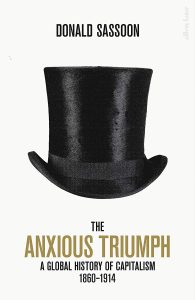
TWENTY-FIRST CENTURY - Review a history book but talk about the present. It is the new column of fattoquotidiano.it. In the third episode (google translate)The anxious triumph, a global history of capitalism, 1860-1914 by Donald Sassoon, a multifaceted historian of international fame, which will be released in Italy in January 2020 for Garzanti
by Massimo Asta | SEPTEMBER 22, 2019
* Massimo Asta is a historian of the University of Cambridge
"Capitalism is not a success. It is not intelligent, it is not beautiful, it is not right, it is not virtuous and it does not produce the necessary goods. In short, we don't like it and we're starting to despise it. But when we ask ourselves what to put in his place, we remain extremely perplexed ”. The famous statement by John Maynard Keynes, written when the effects of the 1929 crisis were still at their peak in Europe, could probably translate the bottom of most people's ideas today. Only a decade earlier, the quote by the liberal-progressive economist of Cambridge, would instead have been ascribed to minority and radical positions in Italy. Far left. The phase of the social-democratic compromise and the post-war economic boom has been filed away, and the belief system that had supported the neoliberal hangover since the 1980s has deteriorated, to the point of going into crisis after having crossed dangerously - and still precariously, like the forecasts of growth for the two-year period 2019-2020 provided by the OECD suggest - the 2008 crisis, the sense of dissatisfaction and lack of confidence in the economy became common sense. Without however generalizing in the form of a push, nor even of an anti-capitalist culture.
Already the figures revealed by the Eurobarometer about the perception that European citizens had of the economic crisis showed widespread discouragement. In 2010, 18% (19% EU average) of the sample of respondents for Italy believed that the crisis had had an important impact on their personal situation, 47% (33% EU average) thought it had an impact quite important. The sample was also asked if the loss of his work or that of his partner had been experienced as a direct cause of the crisis. 8% and 11% had answered affirmatively, respectively in Italy and in the European Union. While in the case of loss of work of an acquaintance the percentage went up to 40%. It is also interesting to note that both in Italy and in Europe, the fear of the crisis had probably crystallized, if not modified, the opinion regarding the economic policy recipes. 38% said they were convinced of the need to adopt public spending policies in order to stimulate the economy, or the opportunity for a greater active role of the State. As a result, he showed little confidence in the ability of the market to resolve its economic and national destiny on its own.
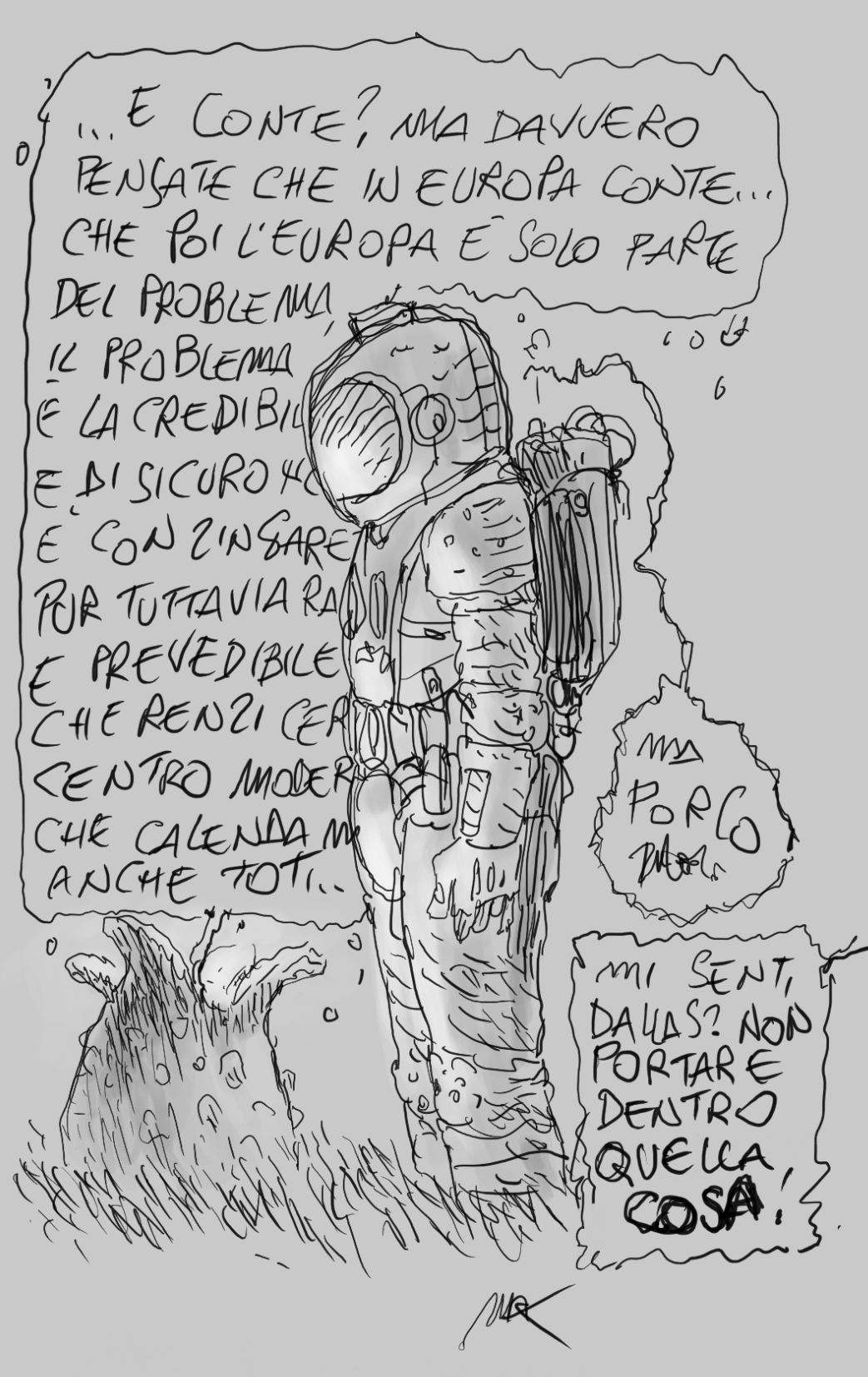
- ... AND WITH CONTE? BUT DO YOU REALLY THINK THAT CONTE IN EUROPE ... EUROPE IS ONLY PART OF THE PROBLEM, THE PROBLEM IS CREDIBILITY ... AND SURELY ... AND WITH ZINGARETTI ... Nevertheless ... IT IS FORESEEABLE THAT RENZI ... MODERATE CENTER ... THAT CALENDAR ... ALSO TOTI ... - BLOODY H ... - CAN YOU HEAR ME DALLAS? DO NOT TAKE THAT THING INSIDE!